

Sponges for miniature painting.
Looking at Sponge Textures
Over the past year, I've been working on a sponge toolkit for miniature painting.
One thing I noticed very early is that almost every painter uses a different type of sponge. Most of them come from product packaging, makeup sponges, kitchen sponges, or pieces cut from larger foam blocks.
What makes each one different?
So I had several samples made and started comparing them.
What Does PPI Mean?
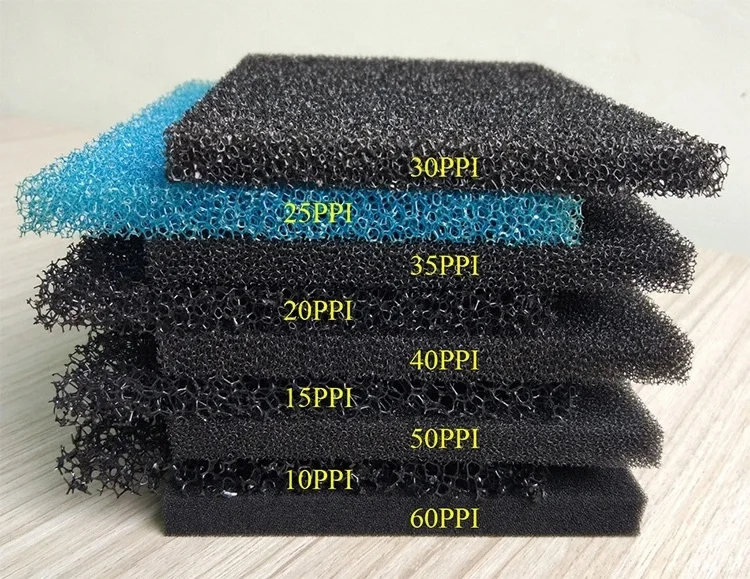
One of the first things you'll see when looking at foam is PPI, or Pores Per Inch.
It simply tells you how many pores are found in one inch of foam.
Higher PPI means smaller pores.
Lower PPI means larger pores.
That one number changes the pattern the sponge leaves behind.
Hydrophilic Foam

Most people know this material as a makeup sponge.
Once it gets wet, it becomes soft and holds water throughout the foam.
That changes the way paint moves across the surface.
For this project, I had these made much smaller than a regular makeup sponge. I tried several shapes before investing in a custom mold, and the teardrop quickly stood out as one of the most versatile. It gave me better control on the small surfaces that are common in miniature painting.
Miniatures have tiny surfaces, and a smaller sponge feels much easier to handle when working in those areas.
60 PPI Reticulated Foam

This foam has the smallest pores in the group.
It leaves a fine texture with very small marks.
The pattern looks clean and even.
45 PPI Reticulated Foam
A small change in pore size makes a noticeable difference.
The texture becomes more visible and the pattern starts to open up.
Compressed Cellulose Sponge

This sponge expands after being soaked in water.
Its irregular cell structure holds plenty of moisture and leaves a texture that's easy to recognize.
When dry I also found it useful as a dry palette. It quickly absorbs extra paint or water, whether I'm unloading a brush or removing excess moisture from another sponge before using it on the miniature.
Side by Side

Each sponge was tested twice. The sample on the left was made using light pressure, while the sample on the right was made using heavier pressure.
Building the Kit

This project has been on my workbench for almost a year.
During that time, I sent samples back and forth, made changes, ordered new versions, and listened to feedback from painters in different parts of the world.
Little by little, the selection became smaller until each sponge brought something different to the table.
That became the idea behind this kit. After almost a year of development, it's finally coming together.
A small collection of sponge materials with other tools that painters already enjoy using, gathered in one place, ready to explore.
Thanks for reading SKULK!
2 comentarios
When is this going to be for sale?
This is amazing!
I love the way foxbite is passionate about this hobby truly adding new ideas and value.
Be prepared for all those brands selling your idea..lol